Adidas vs Nike Running Shoes: Which Brand Performs Better in 2026?
-
December 20 , 2025
-
38
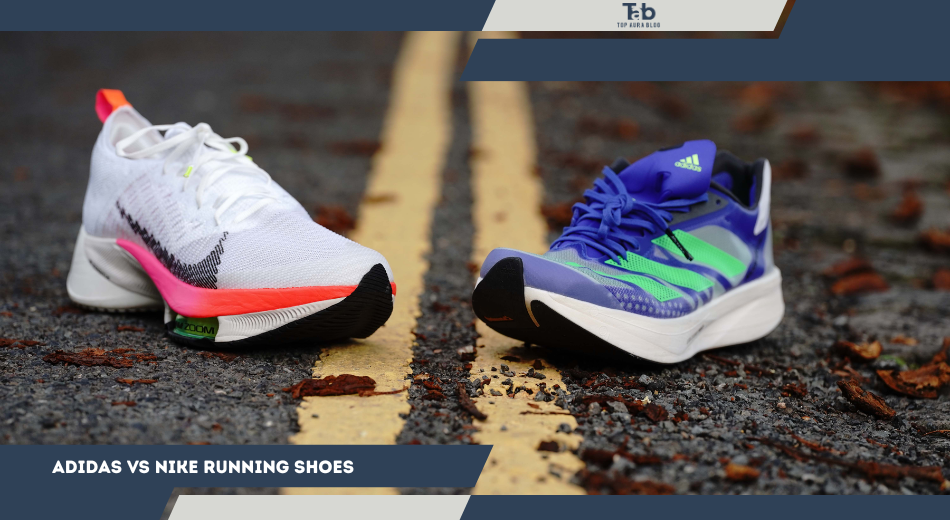
The debate around Adidas vs Nike running shoes has been going on for years and in 2026 it is still one of the biggest comparisons in the running world. Both brands dominate the global sportswear market, sponsor elite athletes, and produce some of the most advanced running shoes available today.
But despite competing in the same category, Adidas and Nike take noticeably different approaches to running shoe design. Nike focuses heavily on lightweight speed, energy return, and race-day performance, while Adidas leans more toward comfort, stability, and long-distance cushioning.
That difference matters more than most people realize.
Some runners care about marathon performance and explosive responsiveness. Others simply want comfortable daily trainers that can handle regular runs without causing fatigue. The truth is that neither brand universally “wins” for everyone.
This detailed guide breaks down the real differences between Nike and Adidas running shoes, including comfort, cushioning, durability, performance, pricing and overall value so you can decide which brand actually fits your running style.
Best Offers Right Now
Seasonal sportswear sales are currently offering strong discounts on both Adidas and Nike running shoes, especially on previous-generation models and daily training shoes.
Adidas Running Shoes vs Nike Running Shoes: Brand Philosophy
When comparing Adidas running shoes vs Nike running shoes, the biggest difference starts with design philosophy.
Nike builds many of its running shoes around speed and aggressive performance. The brand invests heavily in elite racing technology, lightweight midsoles and responsive foam systems that target competitive runners.
Adidas takes a slightly different approach. While the company also produces racing shoes, it often prioritizes comfort, stability and versatility for daily runners.
This creates two very different experiences on foot.
Nike shoes usually feel:
- More aggressive
- Faster
- Lighter
- More responsive
Adidas shoes usually feel:
- Softer
- More stable
- More cushioned
- Better for long comfort sessions
Neither approach is objectively better. It depends entirely on how and where you run.
Best Offer
Daily trainer models from both Adidas and Nike often receive the biggest discounts during online sportswear sales.
Cushioning Technology Comparison
Cushioning is one of the most important factors in any running shoe purchase.
This is where the Nike vs Adidas running shoes comparison becomes especially interesting because both brands use very different foam technologies.
Nike Cushioning Systems
Nike uses several cushioning technologies across its lineup, including:
- ZoomX foam
- React foam
- Air Zoom units
Nike’s modern running shoes usually focus on responsiveness and energy return. Many runners describe Nike shoes as “springy” or “explosive,” especially in race-focused models.
Shoes like the Vaporfly and Alphafly series are built specifically for speed and race efficiency.
The downside is that some runners find Nike’s aggressive responsiveness less comfortable during casual or recovery runs.
Adidas Cushioning Systems
Adidas primarily uses:
- Boost cushioning
- Lightstrike Pro foam
- EVA-based support systems
Boost cushioning became extremely popular because of its softness and comfort during long-distance wear.
Adidas shoes often feel smoother and more forgiving underfoot compared to Nike’s more aggressive energy-return systems.
For daily running and walking comfort, many people prefer Adidas cushioning because it feels less harsh during longer sessions.
Which Feels Better?
For racing and speed:
- Nike often feels faster
For comfort and daily mileage:
- Adidas often feels softer and more stable
This is one of the biggest deciding factors when choosing between the two brands.
Running Shoes Adidas vs Nike: Comfort and Fit
Comfort is where personal preference becomes extremely important.
In most running shoes Adidas vs Nike discussions, runners usually notice fit differences immediately.
Nike Fit
Nike shoes tend to:
- Fit narrower
- Feel tighter around the midfoot
- Focus on performance lockdown
This creates a more secure feel during fast runs, but wide-foot runners sometimes struggle with comfort in certain Nike models.
Adidas Fit
Adidas shoes often:
- Feel roomier
- Provide softer upper materials
- Offer better long-distance comfort
Many casual runners and walkers find Adidas shoes easier to wear for extended periods because of the relaxed fit style.
However, some competitive runners prefer Nike’s tighter lockdown because it improves responsiveness during fast movement.
Best Offer
Wide-foot runners should watch for discounts on Adidas Ultraboost and Nike Pegasus models, which regularly appear in major sales.
Performance for Different Running Styles
Different runners need different types of shoes.
This is why reviews of Nike and Adidas running shoes often vary dramatically depending on the reviewer’s goals.
Nike for Competitive Running
Nike remains one of the strongest brands for:
- Marathon racing
- Tempo runs
- Sprint sessions
- Competitive training
Its lightweight construction and responsive foams make Nike extremely popular among performance-focused runners.
The company also dominates elite racing visibility thanks to professional athlete sponsorships and race-day technology.
Adidas for Daily Training
Adidas performs especially well for:
- Long-distance comfort
- Daily training
- Recovery runs
- Walking and lifestyle use
Adidas shoes often transition better into casual everyday wear because of their softer cushioning and more lifestyle-friendly aesthetics.
This is one reason Ultraboost models became so popular outside running culture.
Trail Running
Both brands also produce trail shoes, though Adidas tends to emphasize durability and grip slightly more in many off-road models.
Nike trail shoes often feel lighter and faster, while Adidas trail shoes usually feel more protective and stable.
Reviews of Nike vs Adidas Running Shoes
Most reviews of Nike vs Adidas running shoes follow a similar pattern: Nike tends to dominate performance discussions, while Adidas often wins in comfort conversations.
Common Nike Praise
Runners often praise Nike for:
- Lightweight feel
- Fast transitions
- Responsive midsoles
- Elite racing performance
Common Nike Criticism
The most common complaints include:
- Narrow fit
- Higher pricing
- Reduced long-term comfort in some models
Common Adidas Praise
Adidas usually receives positive feedback for:
- Cushioning comfort
- Daily wear versatility
- Stability
- Long-distance comfort
Common Adidas Criticism
The most common complaints include:
- Slightly heavier feel
- Less aggressive speed response
- Some models feeling bulky
These differences explain why the “better” brand changes depending on the type of runner.
Popular Nike Running Shoes
Nike’s lineup includes several extremely popular running shoes in 2026.
Nike Pegasus
The Pegasus remains Nike’s most balanced daily trainer. It works well for:
- Beginners
- Casual runners
- Daily mileage
Nike Vaporfly
This is one of Nike’s most famous racing shoes and continues dominating marathon performance conversations.
Nike Invincible
Known for soft cushioning and recovery comfort, the Invincible line targets runners who want more protection during easy runs.
Best Offer
Previous-generation Nike Pegasus models often deliver the best price-to-performance value during clearance sales.
Popular Adidas Running Shoes
Adidas also maintains several highly respected running models.
Adidas Ultraboost
The Ultraboost remains one of the brand’s most comfortable lifestyle-running hybrids.
Adidas Adizero
This lineup focuses more on lightweight speed and competitive performance.
Adidas Solar Series
Solar models target daily runners looking for stability and cushioning balance.
Best Offer
Ultraboost sales are especially common during seasonal sportswear promotions and outlet discounts.
Durability and Long-Term Value
Durability matters because running shoes are expensive.
Nike shoes often prioritize weight reduction, which can sometimes reduce long-term durability slightly in ultra-light racing models.
Adidas shoes generally feel:
- More structurally solid
- Better padded
- More resistant to daily wear
However, durability depends heavily on the specific model and how frequently you run.
For casual users wearing shoes daily for walking and gym sessions, Adidas often provides slightly better long-term comfort durability.
For serious runners chasing race performance, Nike’s performance advantages may outweigh durability concerns.
Price and Value Analysis
Nike and Adidas both operate in premium pricing territory, especially for flagship models.
Nike generally prices:
- Racing shoes higher
- Elite technology models aggressively
Adidas often provides:
- Better discount frequency
- More lifestyle crossover value
Budget Considerations
If you want:
- Maximum race performance → Nike often justifies higher pricing
- Better daily versatility → Adidas may offer stronger value
Mid-range models from both brands usually provide the best overall value instead of flagship racing shoes.
Pros and Cons
| Brand | Pros | Cons |
|---|---|---|
|
Nike |
Lightweight, fast, responsive |
Narrow fit, expensive |
|
Adidas |
Comfortable, stable, versatile |
Slightly heavier feel |
Who Should Buy Nike Running Shoes?
Nike is best for runners who:
- Focus on speed
- Race regularly
- Prefer lightweight shoes
- Want aggressive responsiveness
- Run competitive events
Nike especially excels for performance-focused athletes.
Who Should Buy Adidas Running Shoes?
Adidas is ideal for runners who:
- Prioritize comfort
- Run long distances casually
- Want lifestyle versatility
- Prefer softer cushioning
- Need wider-feeling shoes
Adidas also works very well for people who use running shoes for both workouts and everyday wear.
Nike Running Shoes vs Adidas Running Shoes for Beginners
For beginners, the decision often comes down to comfort vs performance.
New runners who mainly want:
- Walking comfort
- Daily gym use
- Easy jogging
usually adapt more easily to Adidas shoes.
Meanwhile, runners planning serious training or race goals may appreciate Nike’s more performance-oriented designs earlier.
Trying shoes in person remains important because foot shape changes everything.
Best Offer
Mid-range daily trainers from both brands often provide the smartest value for beginner runners.
Final Verdict
So which brand wins in the Adidas vs Nike running shoes debate?
The honest answer is that both brands excel in different areas.
Nike wins in:
- Racing performance
- Lightweight speed
- Energy return
- Competitive running technology
Adidas wins in:
- Cushioning comfort
- Daily wear versatility
- Stability
- Long-session comfort
Simple takeaway:
- Competitive runner → Nike
- Comfort-focused daily runner → Adidas
- Lifestyle + running hybrid use → Adidas
- Marathon/race performance → Nike
There is no universal winner because different runners prioritize different things.
The best running shoe is ultimately the one that fits your foot shape, running style, and comfort preferences the best.
Best Offers Reminder
The strongest running shoe discounts usually appear during seasonal sportswear sales, outlet promotions, and previous-generation model clearances from both Adidas and Nike.
FAQs
Which is better: Adidas or Nike running shoes?
Neither universally wins. Nike is stronger for racing and speed, while Adidas often performs better for comfort and daily wear.
Are Adidas running shoes more comfortable than Nike?
Many runners find Adidas shoes softer and more comfortable for long sessions, especially models with Boost cushioning.
Are Nike running shoes better for racing?
Yes. Nike is widely considered one of the strongest brands for marathon and competitive race performance.
Which brand lasts longer?
Adidas shoes often feel slightly more durable for everyday wear, though durability depends heavily on the specific model.
Are Nike shoes narrower than Adidas?
Generally yes. Nike shoes usually fit narrower, while Adidas often feels roomier.
Which brand is better for beginners?
Adidas is often easier for beginners because of its softer cushioning and comfort-focused fit.
Are expensive running shoes worth it?
Premium running shoes can improve comfort and performance, but mid-range models usually offer the best balance of value and quality.
Leave a Reply
Your email address will not be published. Required fields are marked
Can I write you?
Sign up to get my weekly newsletter.