Hydro Flask vs Stanley: The Ultimate Showdown on Durability and Longevity
-
December 18 , 2025
-
38
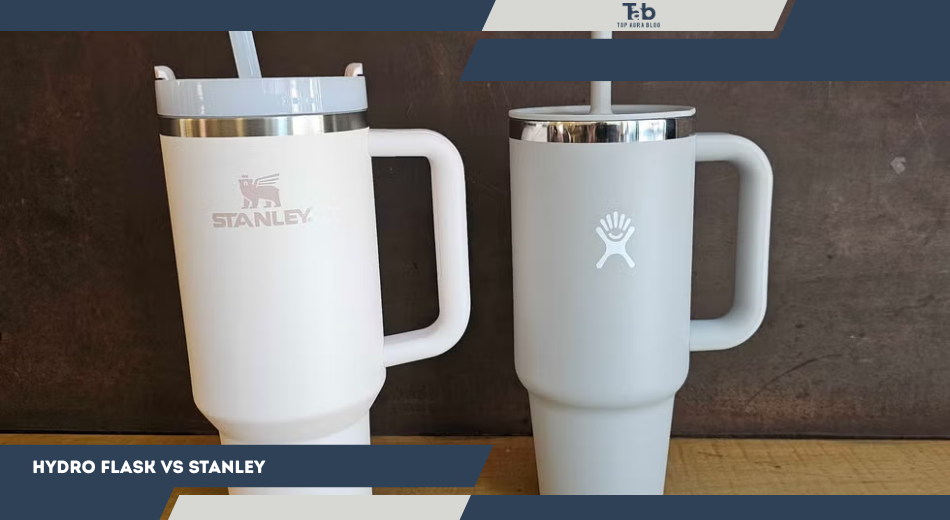
The debate around hydro flask vs stanley has become much bigger than reusable drinkware. In 2026, both brands dominate social media, office desks, gym bags, travel setups and daily commuting routines across the U.S. What started as a simple water bottle comparison has evolved into a larger conversation about insulation, durability, portability, aesthetics and overall lifestyle value.
Some people prefer Stanley because of its oversized travel tumblers and long-lasting cold retention. Others stay loyal to Hydro Flask because of its cleaner design, lighter carry feel and dependable portability.
This guide breaks down the real-world differences between the two brands, including performance, comfort, durability, pricing and which option makes more sense for different lifestyles.
Best Offers on Hydro Flask & Stanley Tumblers
The strongest discounts usually appear during seasonal travel sales, outdoor gear promotions and major retailer events where bundled lids or accessories are included.
Stanley vs Hydro Flask: Why This Comparison Matters
The conversation around stanley vs hydro flask matters because both brands target slightly different users despite competing in the same category.
Stanley has become famous for oversized tumblers with handles, huge capacities and strong cold retention. The viral Stanley Quencher helped push the brand into mainstream lifestyle culture far beyond camping or outdoor audiences.
Hydro Flask, meanwhile, built its reputation through sleek insulated bottles that feel more portable and versatile for everyday movement.
The difference becomes noticeable in real-world use.
Stanley products often prioritize maximum capacity and convenience for long workdays or road trips. Hydro Flask products focus more on mobility, lightweight carry, and simpler minimalist design.
Neither brand is objectively better. The right choice depends on how you actually use your tumbler daily.
Best Offer
Large-capacity Stanley tumblers and Hydro Flask bundles often receive the biggest discounts during seasonal sales.
Stanley Cup vs Hydro Flask: Design and Everyday Practicality
The stanley cup vs hydro flask comparison usually starts with appearance because the products immediately feel different.
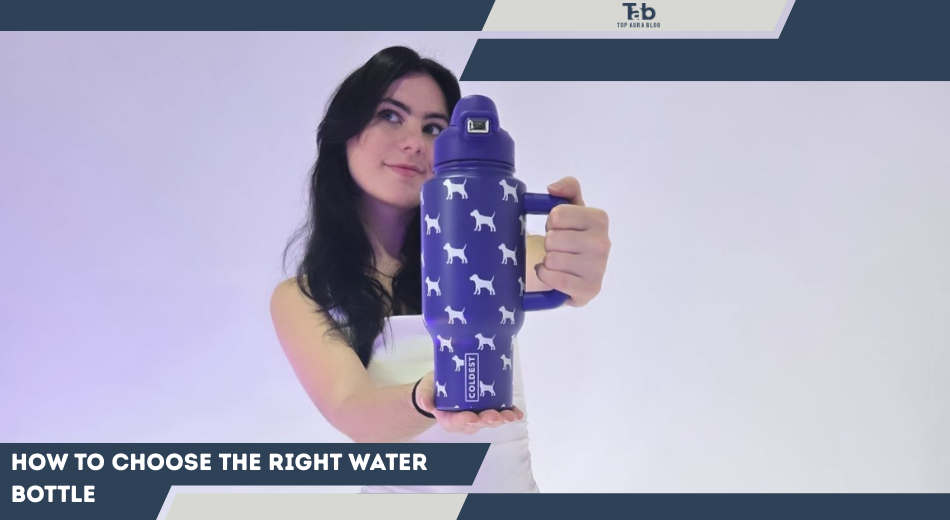
Stanley tumblers are larger, bulkier, and built around convenience. The signature handle makes carrying easier despite the heavier size, while the narrow base allows many larger models to fit inside car cup holders.
Hydro Flask products feel slimmer and more portable. They slide more comfortably into backpacks, gym bags, and side pockets without taking up as much space.
For office workers or commuters constantly moving around, Hydro Flask often feels easier to carry throughout the day.
For drivers, remote workers, or people staying at desks for long hours, Stanley’s larger size becomes more practical because it reduces refill frequency.
The design philosophy behind each brand is completely different.
Stanley focuses on maximizing hydration volume.
Hydro Flask focuses on balancing portability and insulation.
Best Offer
Stanley Quencher seasonal colors often go on sale once newer color collections launch.
Hydro Flask Travel Tumbler vs Stanley: Which Keeps Drinks Colder?
The hydro flask travel tumbler vs stanley comparison becomes more interesting when insulation enters the discussion.
Both brands perform well, but Stanley typically wins pure cold retention tests for extended periods.
The larger stainless steel construction and thick insulation help Stanley tumblers keep ice intact for extremely long stretches, especially in oversized Quencher models.
Hydro Flask still performs impressively, particularly for normal daily use. Cold drinks remain chilled for hours, and hot beverages maintain heat effectively throughout commutes or office sessions.
In realistic conditions, most users will not notice dramatic differences unless leaving drinks untouched for very long periods.
Where Hydro Flask gains an advantage is weight distribution. Even fully filled, Hydro Flask tumblers feel lighter and easier to manage while walking or traveling.
Stanley excels for stationary use.
Hydro Flask excels for active carry.
Best Offer
Travel tumbler bundles with straw lids or replacement accessories usually offer the best long-term value.
Hydro Flask vs Stanley: Durability and Build Quality
Both brands have strong reputations for durability, but they approach construction differently.
Stanley tumblers feel rugged and heavy-duty immediately. The thicker structure gives them a durable, almost industrial feel. Many users describe Stanley cups as “indestructible,” especially for outdoor use or rough handling.
Hydro Flask products feel smoother and more refined. The powder-coated finishes are excellent for grip and aesthetics, although dents may appear more visibly after drops.
In practice, both survive everyday wear extremely well.
Stanley’s larger handles and lids can sometimes feel slightly bulkier, while Hydro Flask products feel more streamlined and compact.
For hikers, commuters, students or gym users constantly carrying their tumbler, Hydro Flask may feel more comfortable long term.
For desk use, road trips or extended hydration sessions, Stanley’s heavier structure becomes less of an issue.
Best Offer
Outdoor retailers often discount previous-generation Hydro Flask colors and Stanley limited editions.
Stanley vs Hydro Flask for Daily Lifestyle Use
Lifestyle compatibility is one of the biggest deciding factors in the stanley vs hydro flask debate.
Stanley fits people who:
Work long desk hours
Spend time driving
Want fewer refills
Prefer oversized drink capacity
Like handle-based carrying
Hydro Flask fits people who:
Travel frequently
Carry bags daily
Prefer lighter bottles
Want compact portability
Need gym-friendly hydration
That distinction explains why both brands continue growing simultaneously rather than replacing one another.
They solve slightly different problems.
Best Offer
Lifestyle accessory bundles often include matching lids, straw systems or carrying sleeves.
Stanley Cup vs Hydro Flask: Cleaning and Maintenance
One overlooked part of the stanley cup vs hydro flask comparison is maintenance.
Stanley tumblers, especially large handled models with reusable straws, require more detailed cleaning because of multiple components.
Hydro Flask products usually feel simpler to clean due to their cleaner internal structure and narrower accessory systems.
Both brands offer dishwasher-safe options on newer models, but many users still prefer hand washing to protect exterior coatings.
For people who prioritize low-maintenance daily use, Hydro Flask feels slightly easier overall.
For users prioritizing volume and convenience over simplicity, Stanley remains highly practical.
Best Offer
Replacement straw kits and cleaning bundles often reduce long-term accessory costs.
Hydro Flask vs Stanley: Pricing and Long-Term Value
Pricing between the brands sits relatively close, although Stanley’s larger tumblers can become more expensive depending on size and limited-edition releases.
Hydro Flask offers more flexibility across smaller bottle sizes, making entry-level purchases feel more affordable.
Stanley’s value becomes strongest for heavy hydration users who benefit from larger capacities.
Hydro Flask provides stronger value for portability-focused buyers who need something easier to carry throughout the day.
Both brands justify premium pricing through strong insulation, long lifespan and reusable sustainability benefits.
Cheaper tumblers often lose temperature performance quickly or develop leaks after repeated use. Stanley and Hydro Flask both maintain strong reliability over years of ownership.
Pros and Cons Table
| Brand | Pros | Cons |
|---|---|---|
|
Stanley |
Excellent cold retention, huge capacity, sturdy design |
Heavier and bulkier |
|
Hydro Flask |
Lightweight, portable, sleek design |
Smaller capacity on many models |
Who Should Use Stanley or Hydro Flask?
Stanley works best for:
Office workers
Drivers and commuters
People wanting all-day hydration
Users who prefer large handled tumblers
Road trip travelers
Hydro Flask works best for:
Gym users
Students
Frequent travelers
Hikers and commuters
People prioritizing portability
Your lifestyle matters more than social media trends when choosing between them.
Final Verdict
The reason the hydro flask vs stanley debate continues in 2026 is simple: both brands deliver excellent performance but target slightly different routines.
Stanley dominates long-duration hydration with oversized tumblers, rugged insulation and convenience-focused design.
Hydro Flask succeeds through portability, sleek aesthetics and lightweight practicality.
If your day revolves around desks, driving or long hours without refills, Stanley is probably the better fit.
If you move constantly, carry bags, travel often or prefer simpler portability, Hydro Flask remains one of the strongest everyday options available.
Neither brand is overhyped. They simply serve different lifestyles extremely well.
Best Offers Reminder
The best Hydro Flask and Stanley deals usually appear during outdoor gear sales, travel promotions and seasonal color-clearance events.
FAQs
Is Stanley better than Hydro Flask?
It depends on your lifestyle. Stanley is better for large-capacity hydration, while Hydro Flask is better for portability.
Does Stanley keep drinks colder longer?
Generally yes, especially in larger Quencher models with heavy insulation.
Is Hydro Flask lighter than Stanley?
Yes, most Hydro Flask models feel noticeably lighter and easier to carry.
Which is better for travel?
Hydro Flask is often more travel-friendly because of its slimmer and lighter design.
Are Stanley tumblers leakproof?
Some Stanley models resist spills well, but many straw-lid designs are not fully leakproof.
Is Hydro Flask worth the price?
Yes, especially for users prioritizing portability and long-term durability.
Which lasts longer: Stanley or Hydro Flask?
Both are highly durable and can last for years with proper care.
Leave a Reply
Your email address will not be published. Required fields are marked
Can I write you?
Sign up to get my weekly newsletter.