A Practical Guide to Planning Your First Solo Trip in 2026
-
December 18 , 2025
-
38
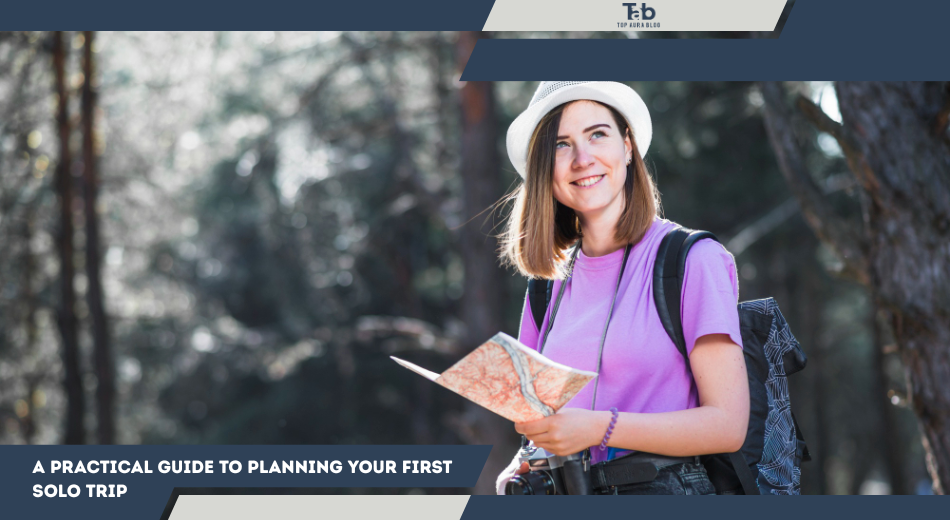
Solo travel in 2026 is no longer a niche idea or something reserved for experienced backpackers. It has become a practical, accessible way of exploring the world on your own terms. More travelers are choosing to go alone because it removes the pressure of coordinating schedules, compromising plans or waiting for someone else to be ready.
A solo travel guide 2026 is less about complex rules and more about understanding how to travel comfortably, safely, and confidently as a first-time solo explorer. This guide focuses on realistic preparation, destination choices and mindset shifts that make traveling alone feel natural instead of overwhelming.
Best Solo Travel Offers for 2026
Solo travelers can often save money by booking midweek flights and staying in centrally located budget hotels or hostels. Many cities also offer discounts on walking tours, transit passes, and experience bundles for independent travelers.
Why Solo Travel Works So Well in 2026
Solo travel continues to grow because it offers something group travel rarely does: complete freedom. You decide where to go, when to stop, and how long to stay somewhere without needing approval from anyone else.
When you travel alone, your attention changes. You notice small details in streets, conversations, and daily life that usually get lost in group settings. Even simple experiences like eating a meal or walking through a new neighborhood feel more personal.
There’s also a practical advantage. You can adjust your plans instantly without worrying about group preferences. If a place feels too busy or too quiet, you simply move on. This flexibility is one of the strongest reasons people continue choosing solo travel in 2026.
Choosing the Right Destination for Solo Travel
The best first solo trip is not about popularity or social media appeal. It’s about comfort, safety and ease of movement. A good destination should help you settle into travel instead of making things complicated.
Cities that work well for beginners tend to have reliable transport systems, friendly locals and clear navigation.
Lisbon, Portugal
Lisbon is one of the easiest European cities for solo travelers. It has a relaxed pace, walkable streets, and a strong café culture. Public transport is simple, and many locals speak English, which makes navigation easier for beginners.
Tokyo, Japan
Tokyo is often considered one of the safest cities in the world. Despite its size, everything is organized, from train systems to street navigation. Even first-time solo travelers often find it easier than expected because the city is structured and predictable.
Vancouver, Canada
Vancouver offers a balanced mix of urban life and natural scenery. It’s modern, clean, and very beginner-friendly. You can explore downtown in the morning and reach mountains or waterfront areas within a short ride.
Florence, Italy
Florence is compact, walkable, and culturally rich. It moves at a slower pace compared to larger Italian cities, which makes it comfortable for solo travelers who want a calm but visually rich experience.
New York City, USA
New York might feel intimidating at first, but it is actually one of the easiest cities for solo travel. People are focused on their own routines, and there is always something to do at any time of day.
Best Offers
Many international cities offer discounted travel passes and attraction bundles for solo visitors, especially during off-peak seasons between February and April.
Planning the Basics of a Solo Trip
A smooth solo travel experience depends more on preparation than complexity. You don’t need a perfect itinerary, but you do need a few basics in place.
Accommodation matters more than luxury. Staying in a central area reduces stress and makes navigation easier, especially when you are still learning the city layout. Safe neighborhoods, well-lit streets, and easy access to public transport should always come first.
Flight timing also plays a role. Arriving during daylight hours helps reduce confusion and makes it easier to adjust to a new environment. Everything feels more manageable when you can see your surroundings clearly.
Your itinerary should remain flexible. It helps to have a list of places you want to visit, but leaving space for spontaneous decisions makes the trip more natural.
Packing light is another important factor. Carrying fewer items reduces stress and keeps movement simple, especially when switching transportation or accommodations.
Staying Safe While Traveling Alone
Safety in solo travel is less about fear and more about awareness. Most issues can be avoided with basic habits and attention to surroundings.
Keep your belongings close in crowded places and avoid unnecessary attention to valuables. It’s also better to use trusted transportation services instead of unverified options, especially at night.
Sharing your location with a trusted contact adds an extra layer of security. More importantly, trusting your instincts is key. If something feels uncomfortable, changing direction or leaving the area is always the right choice.
Meeting People While Traveling Alone
Solo travel does not mean isolation. Many travelers meet people naturally without forcing interactions.
Hostels are one of the easiest environments for casual conversation, even if you are not staying in shared rooms. Common areas often bring travelers together in a relaxed way.
Walking tours also attract other solo travelers, making conversations feel natural instead of forced. Similarly, cafés and co-working spaces often create quiet opportunities for interaction without pressure.
Classes and workshops, such as cooking or art sessions, are also great ways to meet people while doing something structured.
Managing Loneliness During Solo Travel
Feeling alone at times is normal, especially during the first few days. The key is not to avoid it completely but to manage it in a healthy way.
Keeping your days lightly structured helps. You don’t need a strict schedule, but having a few planned activities gives direction. Staying in lively neighborhoods also helps reduce feelings of isolation because there are always people around you.
Simple habits like journaling, calling home, or sitting in a café with a book can also help during quieter moments. Most travelers find that loneliness fades quickly once they adjust to the new environment.
Eating Alone Without Stress
One of the most common concerns in solo travel is eating alone, but in practice, it becomes one of the easiest parts of the journey.
Choosing casual restaurants or cafés makes the experience feel natural. Sitting at counters or window seats also reduces any awkward feeling. Bringing a book or simply observing the environment helps you stay comfortable.
In reality, most people are focused on their own meals, not on who is sitting alone nearby.
Transportation Tips for Solo Travelers
Transportation plays a major role in how comfortable your trip feels. The simplest option is usually the best one.
Trains, subways, rideshare apps and official taxis are generally the most reliable choices in major cities. It’s better to avoid complicated routes or unfamiliar transport systems late at night.
Efficiency matters more than saving small amounts of money when you are traveling alone.
Capturing Your Trip Without Overthinking It
Documenting your trip is important, but over-documenting can take away from the experience. A balanced approach works best.
Instead of constantly taking photos, focus on a few meaningful moments each day. A meal, a street view and one location shot are often enough to capture the essence of a day without distracting you from it.
This approach keeps you present and reduces the pressure of trying to capture perfect content.
Common Solo Travel Challenges
Overthinking is one of the most common challenges. It usually fades after a few days once you become familiar with the environment.
Feeling overwhelmed in a new city is also normal. Taking breaks, sitting in quiet spaces, or simply slowing down helps reset your energy.
Getting lost is part of the experience. Asking for directions is simple, and most people are willing to help.
Fatigue should also be respected. Solo travel is flexible, so resting when needed is always the right choice.
Why Solo Travel Leaves a Lasting Impact
The most meaningful part of solo travel is not the destination itself but the personal clarity it brings. When you travel alone, you make every decision independently. You navigate new environments, solve small problems, and adapt without relying on anyone else.
Over time, this builds quiet confidence. It doesn’t feel dramatic or sudden, but it stays with you long after the trip ends.
Final Thoughts on Solo Travel in 2026
Solo travel in 2026 is more accessible, structured, and beginner-friendly than ever before. Cities are easier to navigate, transportation systems are more reliable, and travel information is widely available.
You don’t need a perfect plan or an extraordinary destination to start. You only need the willingness to take the first step.
Best Offers Reminder
The best value for solo travelers usually comes from flexible booking dates, budget accommodations in central areas and off-season travel periods where prices are lower and crowds are smaller.
FAQs
Is solo travel safe in 2026?
Yes, most major destinations are safe for solo travelers when basic precautions are followed.
What is the best city for first-time solo travel?
Lisbon, Tokyo, and Vancouver are often recommended for beginners due to safety and ease of navigation.
How do I avoid loneliness while traveling alone?
Stay in social areas, join group activities, and keep your day lightly structured.
Is solo travel expensive?
It can be budget-friendly if you choose affordable accommodation and travel during off-peak seasons.
Do I need travel experience before going solo?
No, many people take their first solo trip without prior experience.
What is the hardest part of solo travel?
The first few days of adjustment are usually the most challenging.
Why is solo travel becoming popular in 2026?
Because it offers freedom, flexibility, and personal growth without dependency on group planning.
Leave a Reply
Your email address will not be published. Required fields are marked
Can I write you?
Sign up to get my weekly newsletter.